Human waste is a major contributor to water contamination and the spread of intestinal pathogens like Giardia in the wilderness. Transitioning from developed campgrounds to remote trails requires a deep understanding of wild camping sanitation and hygiene.
Table of Contents
Master wild camping sanitation with our complete hygiene guide. Learn the 200-foot rule, how to dispose of feces when camping, and how to stay clean outdoors.
Managing feminine hygiene while wild camping comes down to a reliable “pack it in, pack it out” system. Build a small, easily accessible kit containing unscented wipes, a reusable pee cloth (like a Kula Cloth), hand sanitizer, and an opaque, duct-tape-covered Ziploc bag to discreetly pack out all used items.
The Core Rule of Wild Camping Hygiene: The 200-Foot Rule
Before evaluating any disposal methods or gear, you must understand the golden rule of outdoor hygiene: The 200-foot rule. You must travel at least 200 feet (which is roughly 70 to 80 adult paces) away from any water sources, trails, and campsites before relieving yourself. This vital buffer zone isolates your waste, prevents aesthetic ruin for other hikers, and drastically reduces the chance of dangerous pathogens washing into the groundwater during rainstorms.
How to Dispose of Feces When Camping
When deciding how to manage solid waste in the backcountry, you generally have two main options. Choosing the right one depends entirely on the terrain and local regulations.
1. The Cathole (Burial Method) Burying your waste is the most widely accepted method in forested areas with rich, dark, organic soil. Using a lightweight trowel, you must dig a hole 6 to 8 inches deep and 4 to 6 inches wide. After going, use a stick to stir the waste into the soil to speed up decomposition, then completely fill the hole with the excavated dirt and disguise it with natural debris.
- Pros: Utilizes natural microbial decomposition; keeps your backpack lighter since you don’t have to carry solid waste.
- Cons: Requires physical effort to dig; not permitted in sensitive, rocky, or high-traffic environments where decomposition is too slow.
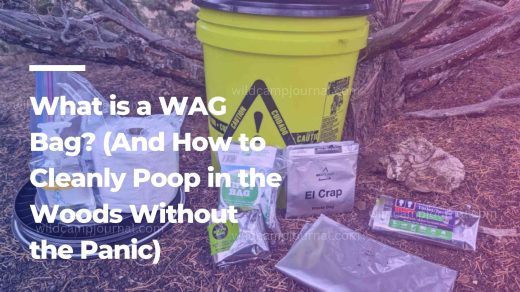
2. The Pack-Out System (WAG Bags) In fragile environments where soil cannot break down waste such as arid deserts, high alpine zones above the tree-line, narrow river canyons, or frozen winter landscapes you are legally required to pack your poop out. You achieve this using a WAG (Waste Alleviating Gel) bag.
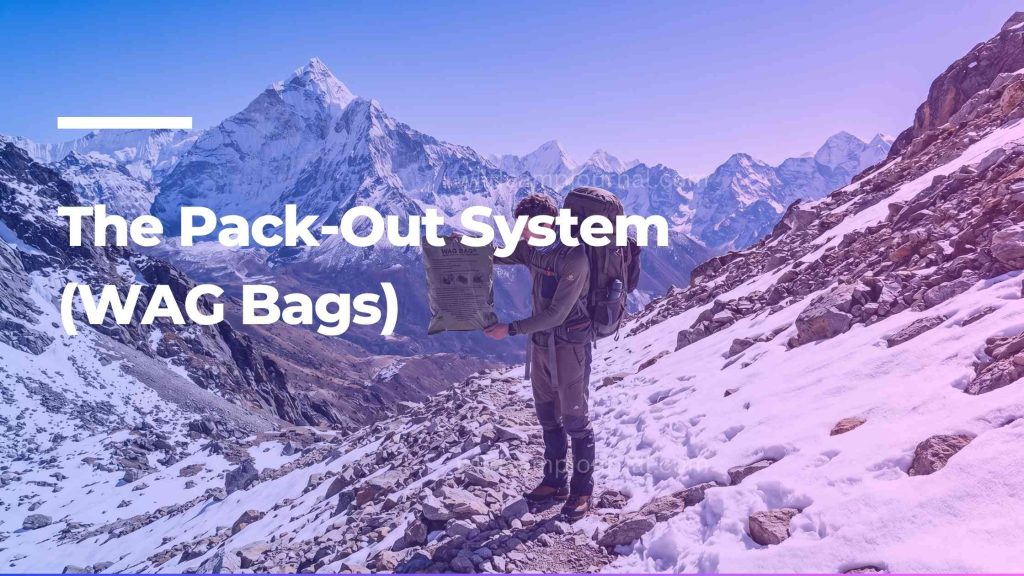
- Pros: The ultimate Leave No Trace method. The puncture-resistant bags contain a NASA-developed gelling powder that instantly solidifies liquid waste, neutralizes foul odors, and kills pathogens, making it completely safe to carry in your backpack and throw in a standard trash can.
- Cons: Bags cost between $3.00 and $5.00 each, and it can be mentally uncomfortable for beginners to carry their waste.
(Note: A modern hybrid alternative is the PACT System, which replaces toilet paper with plant-based dehydrated wipes and uses mycelium (fungi) tablets dropped into the cathole to actively kill bacteria and accelerate decomposition.)
Peeing Outdoors – Drip Dry vs. Toilet Paper vs. Pee Cloths
For women and anyone who squats to pee, managing residual moisture is critical for backcountry hygiene.
1. The Drip Dry Method Squatting, peeing, and simply “shaking it off” to air dry.
- Pros: Completely free, ultra-lightweight, and leaves zero trace since no toilet paper is used.
- Cons: Rarely gets you completely dry. The remaining moisture sits in your underwear, which can quickly lead to foul odors, severe chafing, Urinary Tract Infections (UTIs), and yeast infections.
2. Toilet Paper Using standard toilet paper to wipe after urinating.
- Pros: Familiar and highly effective at keeping you dry.
- Cons: Toilet paper takes 1 to 3 years to biodegrade. Leaving it on the ground creates disgusting “toilet paper blooms,” meaning you must carry a dedicated zip-top trash bag to pack out all of your soiled paper over a multi-day trip.
3. Antimicrobial Pee Cloths (e.g., Kula Cloth) A purpose-built, reusable cloth that snaps to the outside of your backpack.

- Pros: Features a highly absorbent, silver-infused antimicrobial layer to pat dry, backed by a waterproof layer so your hand stays completely clean. It completely eliminates the need for toilet paper, prevents chafing, and uses the sun’s UV rays to naturally sterilize itself as you hike.
- Cons: Requires a small upfront investment ($15 to $23) and needs to be washed with a few drops of biodegradable soap on longer trips.
Cleaning Up – Toilet Paper vs. The Backcountry Bidet
When it comes to solid waste, how you clean yourself dictates how comfortable you will be hiking the next day.
1. Standard Toilet Paper
- The Reality: Standard toilet paper is an inferior wiping technique for multi-day trips without showers. It frequently leaves behind a toxic combination of paper residue, sweat, salt, and fecal matter. The result is a painful rash and severe chafing universally known as “monkey butt”. You must also pack out the dirty toilet paper in a sealed bag.
2. The Backcountry Bidet
- The Reality: Popularized by wilderness experts, this method uses a dedicated water bottle. You designate a “clean hand” to hold the water bottle and a “dirty hand” to physically wash your backside with the water stream. Afterward, you rigorously wash both hands with biodegradable soap and hand sanitizer.
- The Verdict: The bidet provides vastly superior hygiene, leaves you feeling shower-clean, completely prevents chafing, and entirely eliminates the need to carry and pack out dirty toilet paper.
If you are trading your backpack for wheels, your hygiene strategy changes entirely. Here is how to handle your business when you have a bit more horsepower and storage space:
The Trash Dilemma: Mastering the “Pack It In, Pack It Out” Rule
Keeping yourself clean is only half the battle; keeping the wilderness clean is the other. When you are wild camping deep in the backcountry, there are no trash cans. Every piece of hygiene waste you create has to be carried right back out on your back.
Leaving wet wipes, sanitary products, or plastic wrappers buried underground is a major environmental violation because animals will dig them up, and they take decades to decompose.
To manage your trash cleanly and hygienically without making your backpack smell, set up a dedicated trash system:
- The Opacity Hack: Use a heavy-duty, zip-top freezer bag as your main trash container. Wrap the outside of the bag in duct tape or use an opaque storage bag so you don’t have to look at your used trash every time you open your pack.
- Gravity-Flush & Vacuum Toilets: These create a large “blackwater” holding tank within the vehicle. They require less frequent emptying and use macerators to prevent blockages, but you must route your trip around specific municipal dump stations or approved service stations to empty them.
- The Odor Neutralizer: Drop a single dry aspirin tablet, a sprinkle of baking soda, or a crushed scented tea bag into your trash bag. This completely eliminates any unpleasant odors while it sits in your backpack.
- Sanitize on the Go: Always keep your hand sanitizer and a small pack of clean wipes in an external pocket of your backpack so you can clean up before you touch your main gear or food supplies.
Frequently Asked Questions About Wild Camping Sanitation
How to clean when wild camping?
Without running water, staying clean requires a routine. You can use biodegradable wet wipes to wipe down your face and underarms at the end of the day, but you must pack these wipes out in a Ziploc bag, as they contain synthetic fibers that do not break down in soil. Alternatively, use a camp sink or cooking pot to carry water 200 feet away from lakes or streams, and wash with biodegradable soap. Never lather up directly in a natural water source, as it can severely harm aquatic life.
Can I pee outside while camping?
Yes, but you must do it responsibly. Walk 200 feet away from the trail and any water sources. Aim your urine at durable surfaces like rocks, gravel, or pine needles rather than green vegetation. Wildlife (like mountain goats and deer) crave the salt found in human urine and will eagerly trample, dig up, and destroy fragile plants just to consume it.
How to wipe in the woods with no toilet paper?
If you want to minimize your environmental impact or find yourself caught without toilet paper, you can use the Backcountry Bidet method (water and soap). Alternatively, you can use natural materials like smooth river stones, clean snowballs, or large, non-toxic leaves (such as mules ears or corn lily). Always ensure you can properly identify the plant to avoid irritating species like poison ivy or stinging nettles.
Is it illegal to poop in the woods?
While digging a proper cathole is legal and encouraged in most standard forests, it is strictly illegal to bury your waste in specific sensitive environments. In high alpine zones, narrow river canyons, and arid deserts, the soil lacks the microbes and moisture to break down human feces. In places like the Mount Whitney wilderness or the Grand Canyon, you are legally mandated to pack out all solid human waste.
What is a WAG bag and how do you use it?
A WAG (Waste Alleviation and Gelling) bag is a specialized, double-layered bag system used to safely pack out human waste. The inner bag contains a NASA-developed gelling powder that instantly solidifies liquid waste, neutralizes foul odors, and kills harmful pathogens. To use it, simply poop directly into the inner bag, drop in your toilet paper, securely seal the inner pouch, and place it inside the puncture-resistant outer bag. You can then safely dispose of it in a normal municipal trash bin.
How do you handle periods while wild camping?
Managing menstruation outdoors requires strict adherence to Leave No Trace principles. You must never bury or burn tampons and sanitary pads, as they contain synthetic materials that take years to decompose, wild animals will quickly dig them up, and campfires cannot burn them completely. All used menstrual products must be packed out in a sealed plastic bag (wrapping the bag in duct tape is a great trick to hide the contents). Alternatively, eco-friendly options like a reusable menstrual cup or period underwear completely eliminate trail waste and offer superior comfort on multi-day hikes.
Can you bury biodegradable wet wipes when camping?
No, you should never bury wet wipes of any kind, even those marketed as “biodegradable” or “flushable”. These wipes contain synthetic fibers that do not break down quickly in wild soil and will linger for years. To protect the ecosystem, you must pack out all used wet wipes in a heavy-duty, sealable Ziploc bag.
What is a pee cloth and how does it work?
A pee cloth (such as the Kula Cloth) is a reusable, toilet-paper-free hygiene solution for anyone who squats to urinate. It features an ultra-absorbent, silver-infused antimicrobial side to gently pat yourself dry, backed by a waterproof outer layer to keep your hands completely clean. After use, it simply snaps to the outside of your backpack, allowing the sun’s natural UV rays to dry and sanitize the fabric as you hike.
How do you poop in the woods without toilet paper?
If you want to eliminate toilet paper waste entirely, you can utilize the “backcountry bidet” method using a dedicated water bottle and soap, or you can use “nature’s toilet paper”. You can wipe effectively using natural materials like smooth river stones, clean snowballs, or large, non-toxic leaves (such as mules ears or corn lily). However, you must be absolutely certain you can identify the plant to avoid painful encounters with poison ivy or stinging nettles.
Conclusion: Master the Art of Outdoor Toileting
Toileting in the wild might seem awkward at first, but ultimately, it is just another essential outdoor skill no different than pitching a tent or reading a map. The key difference between a bathroom disaster and a forgettable, seamless routine always comes down to one thing: preparation.
Improperly managed human waste is one of the most significant pollution problems our wild places face today. Whether you are burying your waste in a properly dug cat hole, packing it out in a WAG bag, or responsibly emptying a campervan cassette toilet, you actively protect fragile ecosystems by choosing the right disposal method for your environment. Furthermore, adopting sustainable gear like antimicrobial pee cloths and mastering advanced techniques like the backcountry bidet ensures you stay clean and comfortable while completely eliminating harmful trail waste.
At the end of the day, your ultimate goal is to leave the land as clean or cleaner than you found it. Embrace Leave No Trace principles, adhere strictly to the 200-foot rule, and help make “poo not taboo” by sharing this knowledge with fellow beginner campers. By taking responsibility for your own hygiene and waste, you help ensure that our beautiful wilderness remains pristine, safe, and enjoyable for wildlife and future generations to come.