Transitioning from developed campgrounds to wild camping requires specific preparation for handling human waste. Without running water or public facilities, mastering backcountry sanitation is critical for personal hygiene and environmental protection. If you want to know how to build the backcountry poop kit, you must assemble a lightweight, dedicated system that complies with Leave No Trace (LNT) principles.
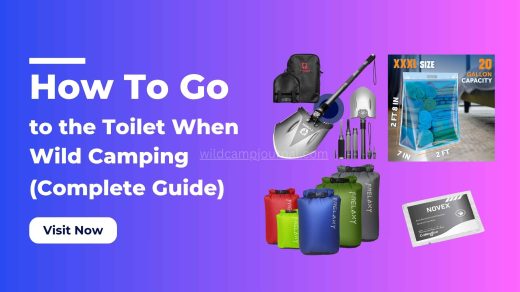
For a complete breakdown of the physical techniques and regulations for using this gear, read our comprehensive guide on how to go to the toilet when wild camping.
Table of Contents
Here is exactly how to assemble your ultimate wilderness bathroom setup from scratch, followed by answers to the most common outdoor hygiene questions.
6 on How to Build the Backcountry Poop Kit

To keep your backpack organized and ensure you are ready when an emergency strikes, assemble the following items into a dedicated kit.
1. Choose Your Main Container
To keep your backpack organized, all your bathroom supplies should be kept together in one easily accessible place.
- Use a sturdy, waterproof Ziploc bag, a small dry bag, or a lightweight toiletry carrier to house all your clean items.
- Keep this bag near the top of your backpack or in an outer pocket so you can grab it quickly without unpacking all of your gear.
2. The Digging Tool
Unless you are in an area that strictly requires you to pack out all waste, you will need a tool to dig a 6-to-8-inch deep and 4-to-6-inch wide “cathole”.
- Pack a small, lightweight garden trowel or a specialized folding camp shovel.
- The aerospace-grade aluminum Deuce 2 Trowel is highly recommended by experts because it is incredibly strong and barely weighs anything.
3. Wiping Materials
You need to pack the right materials to clean yourself while minimizing environmental impact.
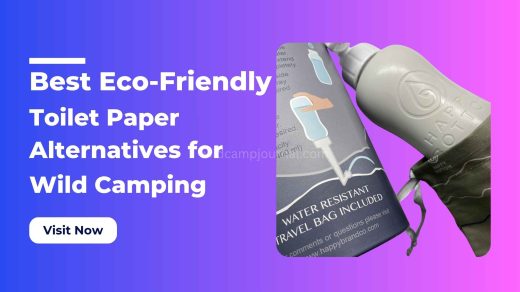
- Toilet Paper: Bring plain, unscented, single-ply toilet paper, as it breaks down faster and does not attract animals with artificial scents. To save space, pull the cardboard tube out and crush the roll flat.
- Wet Wipes (Optional): Some hikers prefer wet wipes for a final clean, but remember that these contain synthetic materials, do not break down in the ground, and must always be packed out.
- Pee Cloth: For urinating, pack a reusable, antimicrobial pee cloth (like the Kula Cloth). This completely eliminates the need for toilet paper when peeing, features a waterproof side to keep your hands dry, and can be snapped to your backpack to dry in the UV sunlight.
4. Waste Disposal and “Pack-Out” Bags

Because burying toilet paper is discouraged (and illegal in some areas), you must build a system to carry your dirty waste out.
- For Toilet Paper: Pack sealable plastic bags (like Ziplocs) or compostable dog poop bags to safely store your used toilet paper and wet wipes.
Pro Tip: Line your bag with aluminum foil or duct tape so you don’t have to look at the waste.
- For Solid Waste (WAG Bags): Always keep at least one WAG (Waste Alleviation & Gelling) bag in your kit. These are double-layered, puncture-resistant bags containing a NASA-developed powder that gels waste, neutralizes odors, and kills pathogens. They are mandatory in fragile areas like alpine zones and deserts.
- The “Dicky Bag” or Poop Tube: To confidently carry your filled waste bags without fear of leaks or smells inside your backpack, use a dedicated Tupperware container, or build a DIY “Number Two Tube” by cutting a piece of PVC pipe and adding removable caps to both ends.
5. Hygiene and Sanitization
Intestinal ailments like Giardia spread rapidly in the backcountry if you do not clean your hands properly.
- Include a small travel bottle of hand sanitizer containing at least 60% alcohol.
- For longer trips, pack a small bottle of biodegradable soap (like Dr. Bronner’s or Campsuds) to wash your hands thoroughly with water at least 200 feet away from any lakes or streams.
6. Optional Comfort Upgrades
Depending on your specific needs, your kit can be customized with:
- Menstrual Supplies: A reusable menstrual cup eliminates trail waste entirely, or pack extra opaque Ziploc bags for carrying out used tampons and pads.
- Female Urination Device (FUD): A pee funnel (like the pStyle or GoGirl) allows women to urinate standing up, which is helpful in cold weather, while wearing a climbing harness, or in areas with zero privacy.
- First Aid Basics: Add a small glide stick for chafing, a few blister Band-Aids, and tweezers for tick removal.
Do you still want a short video illustration about these steps?
The checkout this illustration guide by TheHungryHiker on youtube. Or you can view the video here below;
How to Dispose of Feces When Camping (Quick Rules)
Handling your human waste correctly is crucial for protecting the environment and fellow campers. Following Leave No Trace Principle 3 (Dispose of Waste Properly) minimizes water contamination, aesthetic impact, and the spread of intestinal diseases like Giardia.
Depending on your environment, you will either need to bury your waste or pack it out. Here are the golden rules for disposing of feces outdoors:
Rule 1: Always Follow the 200-Foot Rule
Before you dig a hole or squat, you must walk at least 200 feet which is approximately 70 to 80 adult paces away from any water sources, trails, and campsites.
This buffer zone isolates your waste from social impacts and drastically reduces the risk of pathogens washing into the groundwater.
Rule 2: Dig a Proper Cathole (The Burial Method)

If you are in a forested area with rich, dark, organic soil, burying your waste is the standard method.
- The Dimensions: Use your trowel to dig a hole 6 to 8 inches deep and 4 to 6 inches wide. If the hole is too shallow, animals will dig it up; if it is too deep, the lack of oxygen prevents decomposition.
- The Location: Try to find a sunny spot. The sun’s heat penetrates the soil and speeds up the natural decomposition process, which typically takes about one year.
- The Cover-Up: After doing your business, fill the hole completely with the excavated dirt. Disguise the surface with natural debris like pine needles, leaves, or small sticks so it looks untouched.
Pro Tip: Do not place a large, heavy rock over the hole, as this blocks the sun’s heat from reaching the soil and slows down decomposition.
Rule 3: Pack It Out in Fragile Environments
In certain ecosystems, the soil lacks the moisture or microbial life required to break down human feces. In these areas, you must use a WAG (Waste Alleviation and Gelling) bag to pack out your poop. You must pack out your waste in:
- High alpine zones above the treeline.
- Arid deserts.
- Narrow river canyons where the 200-foot rule is impossible.
- Winter camping on deep snow or glaciers.
To do this, poop directly into the inner WAG bag, which contains a NASA-developed powder that gels the waste, neutralizes odors, and kills pathogens.
Seal it securely inside the outer puncture-resistant pouch and dispose of it in a normal municipal trash can when you return to civilization.
Rule 4: Never Bury Your Wet Wipes
While plain, unperfumed, single-ply toilet paper can sometimes be buried in a properly dug cathole, the most environmentally friendly practice is to pack it out in a Ziploc bag.
You must never bury wet wipes (even those marketed as “biodegradable”) or menstrual products. These items contain synthetic fibers, take years to decompose, and will be dug up by wildlife.
Rule 5: Empty Vehicle Toilets at Dump Stations
If you are car camping or traveling in a motorhome, you might use a portable camping toilet or cassette toilet. You absolutely cannot empty an RV toilet or blackwater tank into nature, down a storm drain, or into a greywater disposal drain.
All portable camping toilet waste must be responsibly emptied at a designated municipal dump station, a public sewer connection, or an approved petrol station service toilet.
Vehicle Camping: How Do You Dispose of Camping Toilet Waste?

If you are wild camping in a campervan, motorhome, or caravan, handling your bathroom needs means using a self-contained vehicle toilet.
However, the way you dispose of your waste depends entirely on the type of toilet system you have installed.
Types of Vehicle Toilets and How to Empty Them:
- Cassette Toilets & Portable Camping Toilets: These toilets store waste in a small, removable tank (the cassette) beneath the bowl. Because they fill up quickly often within a day or two and they require frequent emptying.
- Disposal: You can easily carry the cassette into a standard public loo, a petrol station service toilet, or a wastewater disposal point and pour it down the drain.
Pro Tip: Carrying a toilet cassette in public can be awkward. Hide the cassette inside an old bag while walking to the public restroom, and always bring spare toilet paper and disinfectant with you, as splashing is to be expected during emptying!
- Gravity-Flush & Vacuum Toilets (Blackwater Tanks): Common in larger motorhomes, gravity toilets use a foot pedal to drop waste into a large wastewater tank, while vacuum toilets use a macerator to turn waste into a slurry before storing it.
- Disposal: These create a “blackwater” tank. You must look up approved service stations or municipal dump stations to empty these. You cannot empty blackwater into a grey water disposal drain, and you must never empty it into a random street manhole, as this contaminates local water sources.
- Composting Toilets: This is the most environmentally friendly option. These toilets separate liquids from solids and use natural materials (like coconut fibre or sawdust) to break down the waste and prevent odors.
- Disposal: Waste from a composting toilet is incredibly easy to dispose of. You simply tip the solid waste into a composting bag and add it to a regular rubbish bin where it will naturally decompose, or take it to a large composting site.
The Golden Rule for RVs: Under no circumstances can you empty your toilet, cassette, or holding tank into nature while wild camping. It causes severe environmental damage and leaves a terrible aesthetic impact for the next camper.
Frequently Asked Questions
What goes in a backpacking poop kit?
A backcountry poop kit must include a lightweight trowel, unscented single-ply toilet paper, >60% alcohol hand sanitizer, biodegradable soap, and heavy-duty, sealable plastic bags to pack out your used toilet paper. WAG bags are required for high-alpine or desert trips.
How to pack out poop when backpacking?
In environments where you cannot dig a cathole, you must pack out your feces using a WAG (Waste Alleviating Gel) bag. Poop directly into the inner bag, drop in your used toilet paper, securely seal the inner bag, and place it inside the puncture-resistant outer bag to carry in your backpack until you reach a trash bin.
What is the powder in WAG Bags?
The powder inside a WAG bag is a specialized, NASA-developed solidifying agent. This gelling powder instantly solidifies liquid waste, neutralizes foul odors, and kills harmful pathogens.
What is the 200 rule for camping?
You must travel at least 200 feet (approximately 70 adult paces) away from any water source, trail, or campsite before relieving yourself. This isolates waste, prevents social impact, and drastically reduces the risk of water contamination.
What to do if you really need to pee while hiking?
Walk 200 feet away from the trail. Aim your urine at durable surfaces like rocks, gravel, or pine needles rather than green vegetation. Wildlife (like mountain goats and deer) crave the salt in human urine and will destroy fragile plants to consume it.
Conclusion
Building the ultimate backcountry poop kit is inexpensive, simple, and absolutely non-negotiable for responsible outdoor recreation.
By equipping yourself with a lightweight trowel, disguised waste bags, hand sanitizer, and specialized tools like WAG bags or an antimicrobial pee cloth, you protect fragile ecosystems from dangerous pathogens.
Pack your kit properly, adhere strictly to the 200-foot rule, and you will ensure the wilderness remains pristine for wildlife and future campers alike.