We’ve all read the textbook outdoor manuals, but knowing how to dig a cathole when the ground completely refuses to cooperate is a vital backcountry survival skill. It sounds incredibly simple when you’re sitting on your couch: “Find a spot 200-feet from water, dig a hole 6 to 8 inches deep, do your business, and cover it up.”
It sounds simple when you’re sitting on your couch. But out in the wild, nature rarely presents you with pristine, fluffy topsoil.
Table of Contents
Instead, you find yourself squatting at dusk on a high-alpine ridge of solid granite, in a dense forest carpeted by a thick mattress of interlocking pine roots, or staring down a patch of sun-baked clay that feels like industrial concrete. Suddenly, your flimsy plastic camp trowel snaps in half, panic sets in, and the textbook rules feel completely useless.
When the ground won’t cooperate, you have to get creative to maintain proper hygiene. Don’t let tough dirt ruin your sanitation—stick to the foundational rules outlined in how to go to the toilet when wild camping.
If you are currently fighting the terrain, here is your real-world blueprint for conquering rocks, clay, and roots without compromising backcountry ethics.
The Root Problem: Navigating Forest Organic Layers

In dense coniferous or old-growth forests, the challenge isn’t rock—it’s the “duff” layer and the dense web of shallow root systems right below it. Trying to scoop through this with a wide, blunt tool is an exercise in futility.
The “Surgical Plug” Method
Don’t try to hack randomly into a root network. Instead, treat the ground like a piece of turf:
- Find a Decaying Log: Look for a large, fallen decomposing log. The uphill side of a rotting log naturally catches washed-down sediments over time. The soil here is often significantly softer, deeper, and full of rich organic matter that speeds up waste decomposition.
- Score the Perimeter: Use the sharp corner or serrated side of an ultralight aluminum or titanium trowel to slice a clean, square border into the top layer of moss and dirt.
- Lever the Plug: Pry the entire top section up as a single, intact “plug” or lid.
- Tunnel Underneath: Once you are past the thickest root network at the surface, use a sturdy stick or the narrow tip of your trowel to dig out the looser dirt underneath the surrounding root shelves until you hit that magic 6-inch depth mark.
The Rock Problem: High-Alpine & Scree Fields
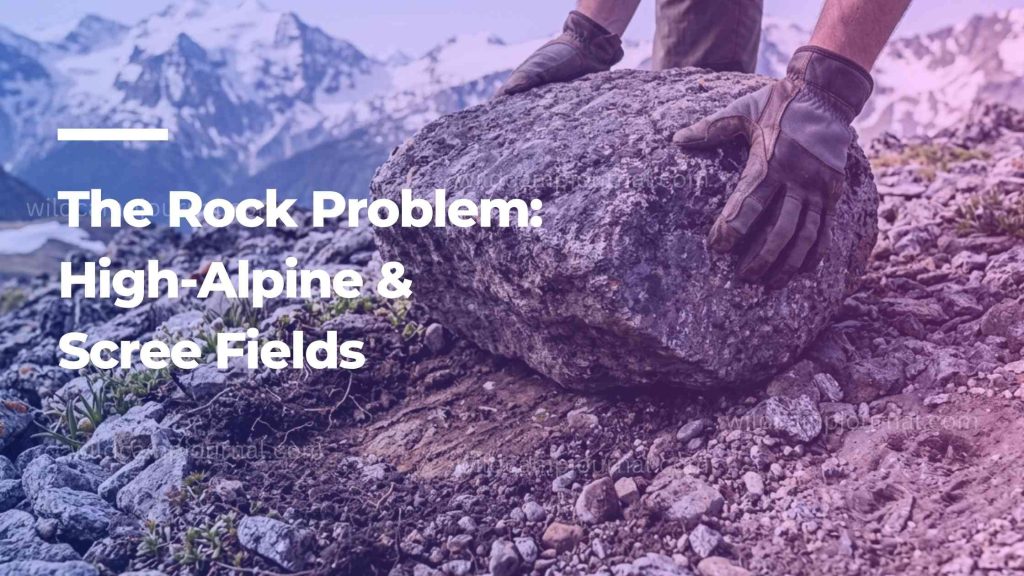
Above the tree line or in glacial valleys, finding six inches of solid dirt can be completely impossible. If you hit solid bedrock two inches down, you cannot simply leave your waste on the surface covered by a couple of pebbles.
The “Rock Roll” Technique
If you cannot dig down, you have to find a spot where nature has already created a cavity.
- Locate a Deeply Embedded Rock: Find a large boulder or heavy rock (the size of a basketball or larger) that is firmly seated in the scree or dirt.
- Roll It Free: Carefully pry or roll the rock out of its natural depression.
- Scrape the Pocket: The space left behind under the rock is typically free of dense vegetation and already partly excavated. Use your trowel or a sharp stone to loosen and deepen this specific pocket to reach an acceptable depth.
- The Post-Drop Stir: After making your deposit, take a sturdy stick and thoroughly mix the waste with a handful of the loose soil you scraped out. This introduces local microbes to the waste, ensuring it breaks down rather than mummifying.
- Reset the Anchor: Roll the large rock firmly back into its original position. Ensure it completely seals the pocket so curious wildlife cannot easily access or dig it up.
The Clay Problem: Sun-Baked Hardpan
Heavy clay soil dries out into a brick-like texture during dry seasons. Your trowel will slide right off the surface, leaving nothing but minor scratches.
Related Guides
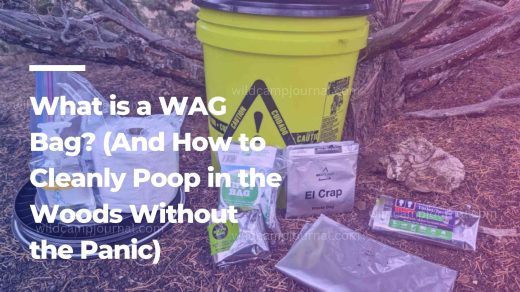
What is a WAG Bag? (And How to Cleanly Poop in the Woods Without the Panic)
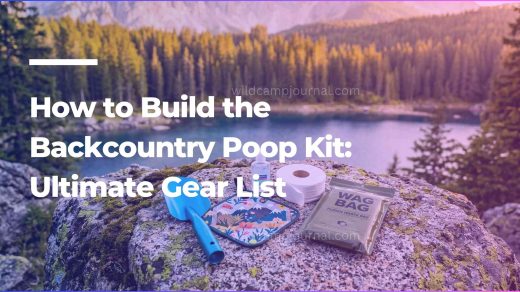
How to Build an Ultralight Backcountry Poop Kit
The Chisel & Hydrate Method
To conquer clay, you have to change your mechanics from scooping to fracturing, or use a little chemistry.
- The Chisel Technique: Hold your metal trowel vertically with both hands, using it like a chisel. Drive the pointed tip straight down into the clay using your body weight, rocking it back and forth to break the clay into small chunks, then scoop out the debris.
- The Water Trick: If you have an extra splash of water to spare from a nearby stream (never use your last drinking water!), pour a few ounces directly onto your designated digging spot. Let it sit for two to three minutes. Clay absorbs moisture quickly, softening the top couple of inches enough for you to break through the initial crust.
Choosing the Best Trowel: How to Dig a Cathole with the Right Tools
If you consistently camp in tough environments, the standard 2-ounce green plastic trowel sold at general sports stores will eventually fail you. It lacks the sharp edges needed to cut roots and the rigidity required to pry rocks.
| Trowel Type | Best For | Pros | Cons |
| Serrated Aluminum (e.g., Deuce of Spades) | Hard dirt, thin roots | Extremely lightweight (~0.6 oz), cuts thin roots easily | Can dig into your hand if gripped incorrectly |
| Titanium Spade (e.g., QiWiz / Vargo DigDig) | Rocky soil, heavy prying | Incredible structural strength, won’t bend or snap | Slightly heavier, more expensive |
| Snow/Sand Stake (e.g., MSR Blizzard) | Budget multi-use | Long profile provides great leverage in clay; cheap | Harder to scoop wide volumes of dirt |
Watch Before You Pack: Want to see exactly what tools you should have in your pack before you hit the trail? Check out this quick, highly informative guide by the Leave No Trace organization on how to assemble a lightweight backcountry sanitation kit:
Frequently Asked Questions (FAQs)
What should I do if it is physically impossible to dig a cathole?
If you are on solid rock, in a protected alpine environment, or packed snow where digging is impossible, you must pack your waste out. Carry dedicated WAG bags (Waste Alleviation and Gelling bags). You can review specific Bureau of Land Management waste pack-out regulations to see which alpine zones strictly require them. These heavy-duty, puncture-resistant kits contain gelling powders that solidify human waste and neutralize odors, making them safe to carry in your pack until you reach a trash receptacle.
Can I bury my toilet paper in tough terrain?
While LNT guidelines technically allow burying plain, unscented toilet paper in pristine, highly active organic soils, you should always pack it out when dealing with tough terrain. Clay, dry desert soils, and cold high-alpine rocky ground lack the moisture and rich microbial activity needed to break down paper quickly. It will often be unearthed by animals or weather months later.
Should I use a stick or trekking pole instead of carrying a trowel?
While a sharp rock or trekking pole tip can work in loose sand, they are highly inefficient in hard clay or heavy roots. Using a boot heel or trekking pole usually results in a shallow, unsafe 2-inch scrape rather than a proper 6-inch hole. Carrying a dedicated 0.5-ounce ultralight trowel is always recommended for proper backcountry sanitation.
Conclusion
Digging a proper cathole when the environment refuses to cooperate can be exhausting, but it is one of the most critical skills a responsible wild camper can master.
By adapting your technique to the specific terrain whether that means rolling a heavy boulder, carefully slicing an organic root plug, or chiseling through sun-baked clay, you protect local water sources, keep wildlife safe, and preserve the pristine beauty of the wilderness for the next backpacker who passes through.
Pack the right tool, take your time, and never settle for a shallow hole.
In areas where catholes aren’t permitted, and in areas where you can’t dig a cathole use a wag bag.