Discover the best eco-friendly toilet paper alternatives for wild camping. From backcountry bidets to natural leaves, learn how to stay clean and leave no trace.
When looking for the best toilet paper alternatives for wild camping, most hikers naturally lean toward wet wipes or biodegradable tissue. But if you want a truly leave no trace wiping method that reduces pack weight and eliminates trash, nothing beats a hiking bidet.
Let’s address the elephant in the woods: the “fear factor.” A lot of beginners skip using a portable bidet for camping because they are terrified they will end up with poop on their hands. It’s a valid worry, but seasoned backpackers use a simple system to keep things perfectly sanitary: The Clean Hand / Dirty Hand Rule.
- The Clean Hand: This hand only touches your clean gear. It holds and squeezes your bidet water bottle. It stays completely away from the “splash zone.”
- The Dirty Hand: This hand does the active wiping and cleaning while the water is spraying. You also need to use your bidet directly over the cathole.
Once you’re done, your clean hand opens your pack to grab your biodegradable soap and hand sanitizer. You wash the “dirty hand” thoroughly, and just like that, you are cleaner than you would ever be using dry toilet paper alone. Here are the best natural and gear-based substitutes for your next trip.
Table of Contents
What is the Best Thing to Use Instead of Toilet Paper?
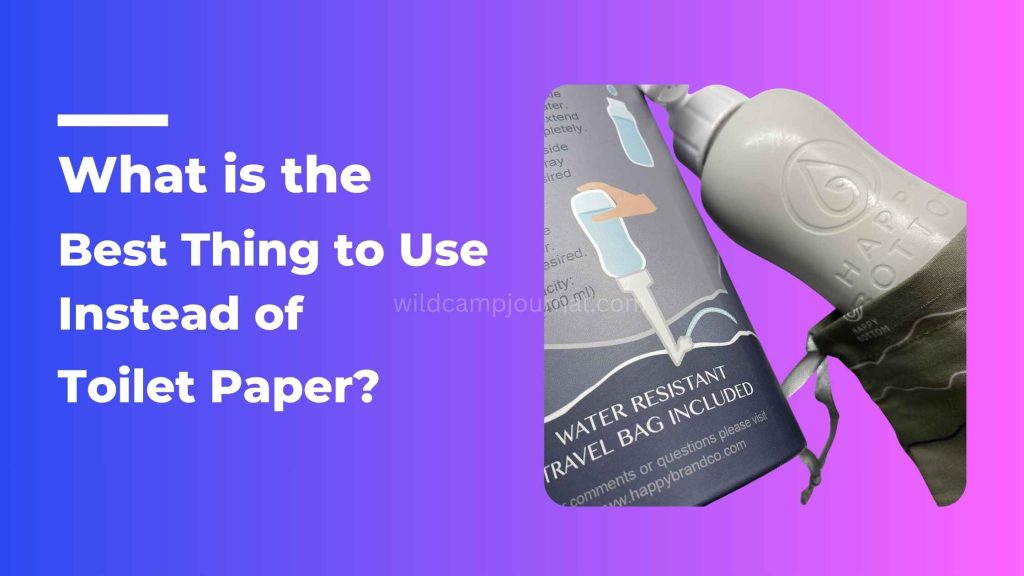
If you ask any experienced ultralight backpacker, the absolute best of all toilet paper alternatives for wild camping is a backcountry bidet.
A backcountry bidet is a tiny, ultralight nozzle that provides a pressurized stream of water to clean yourself, eliminating the need for dry paper entirely. It is significantly more hygienic, prevents chafing on long hikes, and leaves zero waste behind in the wilderness.
Here are the top portable bidet setups to look at:
- CuloClean Ultralight Portable Bidet: Weighing just 0.42 oz, this tiny silicone nozzle pushes directly into the mouth of almost any standard disposable water bottle. You simply squeeze the bottle to generate high-pressure water. See Price
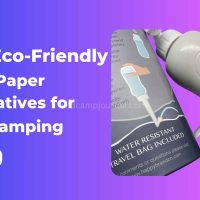
- Happy Bottom Portable Bidet: If you do not want to mix your drinking water bottle with your bathroom kit, this includes a dedicated squeezable rubber bottle and an extendable angled nozzle. See Price
Visual Field Test: If you cannot picture how a plastic nozzle actually replaces toilet paper, watch this brilliant field test by jldrdotcom where they compare the CuloClean against standard toilet paper in the backcountry.
The Global Shift: What Does 70% of the World Use Instead of Toilet Paper?
If the idea of ditching dry paper in the woods makes you nervous, it helps to look at global hygiene habits.
In many cultures across Asia, the Middle East, and Southern Europe (including tech-heavy countries like Japan), dry toilet paper is considered unhygienic. Instead, they use water via bidets, lotas, or high-tech washlets.
When you adopt a backcountry bidet for wild camping, you aren’t doing something strange or primitive; you are actually upgrading to a cleaner, zero-waste system used by the vast majority of the global population.
Natural Substitutes: What Plant is Called “Cowboy Toilet Paper”?
If you forget your bidet or find yourself in a situation where you need natural toilet paper alternatives for wild camping, nature provides several highly effective options
The most famous is the Mullein plant, widely known as “cowboy toilet paper.” Mullein produces large, thick leaves covered in tiny, soft hairs, making it incredibly soft and durable for backcountry use.
- How to use it safely: Always ensure you correctly identify Mullein before use. Confusing it with harmful plants like poison ivy or poison oak will end your camping trip immediately.
- Other natural options: Damp Sphagnum moss (nature’s wet wipe) and smooth river stones are also highly effective alternatives used by pioneers and survivalists.
Safety First: Identifying Toxic Plants in the Wild
Before you reach for any natural alternative on the trail, you must be 100% certain of what it is. Accidentally brushing against the wrong leaf can ruin your trip—and potentially end in a medical emergency.
As a golden rule
If you cannot positively identify the plant, do not use it.
The “Leaves of Three” Danger: Avoid anything matching the classic “leaves of three, let it be” description to protect yourself from Poison Ivy and Poison Oak.
Additionally, watch out for Stinging Nettle, which is covered in tiny, hollow hairs filled with chemicals that cause immediate, intense burning and itching on contact.
Stick to known, safe options like large burdock leaves or smooth, dry stones.
What Kind of Toilet Paper is OK for Campers?
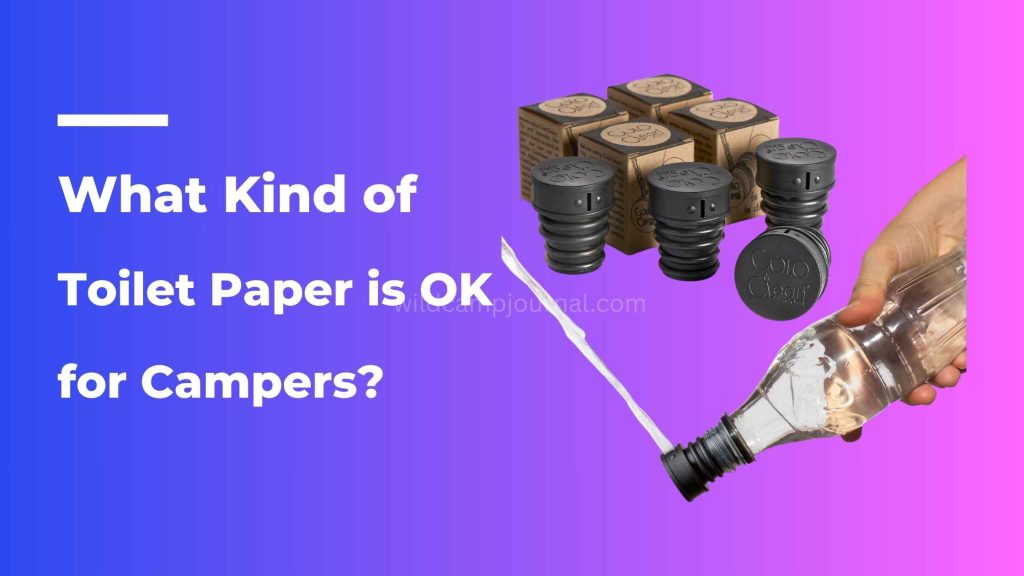
If you simply cannot make the switch to a bidet or leaves, you might be wondering what kind of toilet paper is actually okay to bring.
The best option is unbleached, single-ply, 100% biodegradable camping toilet paper (often marketed for Marine or RV use). Because it lacks the heavy binders found in luxury home toilet paper, it dissolves much faster when exposed to moisture.
The Downside of Bamboo Toilet Paper:
Recently, bamboo toilet paper has become incredibly popular. While it is highly sustainable to manufacture, its strong fibers mean it does not break down instantly in the wild.
No matter what kind of toilet paper you use bamboo, RV-safe, or biodegradable the Leave No Trace rule remains the same: you should ideally pack it out in a sealed bag, or bury it deep in a proper 6-to-8-inch cathole.
Need a refresher on digging the perfect cathole? Read our complete guide on How to Go to the Toilet When Wild Camping.
Can You Use Wet Wipes as Toilet Paper?
You can absolutely use wet wipes to clean yourself, but you cannot treat them like toilet paper when it is time to dispose of them.
Almost all commercial wet wipes (even many marketed as “flushable”) contain synthetic plastic fibers. They will never decompose in the soil. If you use wet wipes, you must pack them out.
The Wag Bag Method: Create an odor-proof disposal system by taking a heavy-duty Ziploc bag and covering the outside in duct tape. This hides the soiled wipes from view, seals in the odor, and allows you to easily carry them out in your backpack to dispose of in a real trash can.
Frequent Ask Questions about Toilet Paper Alternatives
What plant is called cowboy toilet paper?
The Mullein plant is famously known as “cowboy toilet paper.” It produces large, thick leaves covered in tiny, soft hairs, making it incredibly soft and durable for backcountry use. It is widely considered the best natural alternative to toilet paper. Always ensure you correctly identify Mullein before use, as confusing it with harmful plants can cause severe skin irritation.
What kind of toilet paper is ok for campers?
If you must bring traditional toilet paper, the best option is unbleached, single-ply, 100% biodegradable camping toilet paper. Brands specifically designed for marine or RV use dissolve the fastest. However, “biodegradable” does not mean you can leave it on the surface. You must still bury it in a 6-to-8-inch cathole or, ideally, pack it out in a sealed bag.
Can you use wet wipes as toilet paper in the wild?
You can use wet wipes to clean yourself, but you absolutely cannot treat them like toilet paper when it is time to dispose of them. Almost all commercial wet wipes contain synthetic plastic fibers. They will never decompose in the soil and animals will dig them up. If you use wet wipes, you must pack them out in a heavy-duty Ziploc bag.
What is the best thing to use instead of toilet paper?
The absolute best alternative to toilet paper when wild camping is a backcountry bidet. Devices like the CuloClean attach directly to a standard water bottle, providing a pressurized stream of water. It is significantly more hygienic than dry paper, prevents chafing on long hikes, and leaves zero waste behind in the wilderness.
Comfort vs. Leave No Trace (LNT) Impact
To help you choose the best setup for your next trip, here is how the most common toilet paper alternatives stack up across comfort, packability, and environmental impact:
| Alternative | Comfort Rating | Packability / Weight | LNT Best Practice |
| Portable Bidet (e.g., CuloClean) | ⭐️⭐️⭐️⭐️⭐️ (Excellent) | 12 grams; fits in any pocket | The Best Choice: Leaves zero waste behind; no burial or pack-out required. |
| Sphagnum Moss | ⭐️⭐️⭐️⭐️ (Very Good) | Natural; zero pack weight | Bury it deep in your 6-to-8-inch cathole; it decomposes naturally. |
| Mullein or Burdock Leaves | ⭐️⭐️⭐️⭐️ (Good) | Natural; zero pack weight | Ensure the leaf is clean and non-toxic. Bury it completely in the cathole. |
| Biodegradable Wipes | ⭐️⭐️⭐️⭐️⭐️ (Excellent) | Heavy; takes up pack space | Must be packed out. Never bury wet wipes, even if the package says “biodegradable.” |
| Smooth Stones or Snow | ⭐️⭐️ (Functional) | Natural; zero pack weight | Use carefully and drop directly into the bottom of your cathole before covering. |
Conclusion: Choosing the Best Toilet Paper Alternatives for Wild Camping
Switching to sustainable toilet paper alternatives for camping does more than just save precious weight in your backpack—it is one of the most impactful ways you can protect the wilderness.
Whether you decide to make the highly recommended switch to a backcountry bidet, forage for Mullein leaves, or simply commit to the “wag bag” method for your wet wipes, preparation is everything. Build your backcountry bathroom kit before you leave, and always prioritize Leave No Trace principles.
Now that your hygiene kit is sorted, you need to make sure you actually know where you are legally allowed to camp. To avoid fines and secure the best spots, check out our next guide on the The Complete Guide to Wild Camping Rules: Sanitation and Etiquette.
CuloClean Ultralight Portable Bidet
Weighing just 0.42 oz, this tiny silicone nozzle pushes directly into the mouth of almost any standard disposable water bottle. You simply squeeze the bottle to generate high-pressure water.
Product Brand: CuloClean
Pros
- True Ultralight Footprint: Weighing just 12 grams (0.42 oz), it is lighter than carrying a partial roll of toilet paper or a pack of wet wipes, making it an easy addition to any minimalist pack.
- Superior Spray Pressure: Because it uses a single, narrow, elongated slot rather than multiple shower-head style holes, it creates incredible focused stream pressure when you squeeze the bottle. Testers have recorded spray distances of up to 16 feet.
- Versatile Bottle Compatibility: It features a stepped, tapered design with internal O-rings that fit both 28mm and 30mm narrow-neck bottle threads. It slots securely into a standard Smartwater bottle, standard soda bottles, collapsible CNOC threads, and most generic grocery store water bottles.
- Perfect Leave No Trace (LNT) Tool: By switching to water, you eliminate the need to bury toilet paper or carry a used, unhygienic "trash baggie" of dirty wipes out of the wilderness.
- Extreme Discretion: Because it fits inside the neck of the bottle rather than screwing on top of it, the bidet is completely hidden from view when inserted. You can walk across a public campground or an office bathroom holding a bottle, and it just looks like you're carrying drinking water.
- High Water Efficiency: Thanks to the focused stream, it requires very little water to get completely clean—averaging just 1.5 to 2 ounces of water per use.
Cons
- Exposed Bottle Threads (Cross-Contamination Risk): Because the nozzle pushes inside the bottle opening rather than screwing over the outer rim, the exterior threads of your water bottle remain completely exposed. There is a minor risk of dirty water splashing back onto those threads during use.
- Hygiene Rule: Backpackers must strictly designate a specific bottle as the "dirty bathroom bottle" and never drink from it again.
- No Bottle Included: The standard retail package includes just the tiny nozzle block. You have to source your own flexible, easy-to-squeeze plastic bottle (rigid bottles like a Nalgene or a Hydro Flask will not work, as you cannot compress them to generate pressure).
- The Learning Curve: Learning how to aim a single-nozzle stream while squatting over a 6-inch cathole in the woods takes practice. It is very common to accidentally spray your clothes or hand on the first few attempts.
- The "Cold Shock" Factor: Squeezing glacier-cold stream water or winter backcountry water directly onto sensitive areas can be incredibly jarring. In freezing climates, users often have to warm up the water slightly beforehand.
- Initial Leakage Risk: Because it relies on a friction-fit plug rather than a tight screw thread, water can begin to drip out the front nozzle the moment you tip the bottle upside down before you have it correctly positioned.