You just checked the permits for your dream backpacking trip to Mount Whitney, the Grand Canyon, or a pristine high alpine zone, and there it is in bold text: “All solid human waste must be packed out.”
Immediate dread sets in. You realize you are going to have to poop in a plastic bag, carry it inside your backpack for days, and pray it does not break open.
Take a deep breath.
Table of Contents
Every year, thousands of beginners face this exact same anxiety. But here is the secret experienced trail veterans know: wilderness sanitation is completely safe, clean, and drama-free once you understand the mechanics.
Depending on where you camp, you will use one of two main methods to handle your business: the modern waste pack out bags camping kit or the traditional backcountry burial method. This massive guide will demystify exactly what a WAG bag is, show you how to use a WAG bag without panic, and teach you how to master the standard burial technique when bags aren’t required.
Do you prefer to bury your waste? here’s how to dig a cathole.
The WAG Bag Guide (For Zero-Tolerance Fragile Zones)

What is a WAG Bag and What Does WAG Stand For?
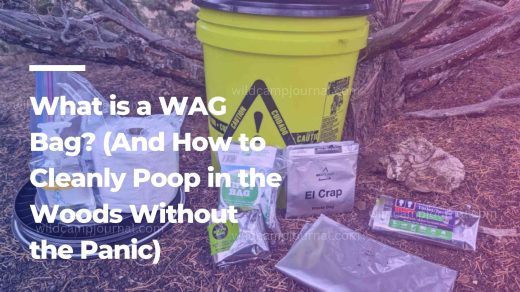
Let’s look at the actual gear. WAG stands for Waste Alleviating Gel (or Waste Aggregation and Gelling). It is a specialized, puncture-resistant bag system engineered specifically to meet federal leave-no-trace regulations.
A retail kit is not just a standard plastic grocery bag; it is a double-containment system containing advanced components:
- The Target Bag: A large, wide-opening inner bag that you actually poop into.
- WAG Bag Gelling Powder: Inside the target bag sits a specialized, high-absorbency deodorizing powder. When this powder contacts liquid, it gels the waste, encapsulates it, and breaks down the solids while completely neutralizing the smell.
- The Outer Zip Bag: A heavy-duty, puncture-proof, puncture-resistant zip-top bag (usually silver or opaque) that completely seals the target bag away from your gear.
- Bonus Essentials: Most kits come pre-packaged with a small amount of toilet paper and an antiseptic hand wipe.
How to Use a WAG Bag: The Step-by-Step Blueprint

The biggest hurdle is purely psychological. Once you know the steps, it takes no more time than using a standard bathroom.
1. Unpack and Prepare Your Kit: Before nature calls
Open the kit and pull out the wide target bag. Shake it gently so the WAG bag gelling powder settles completely at the very bottom. Keep the heavy-duty outer zip bag and hand wipes nearby—you will need them immediately afterward.
2. Position the Bag Properly: The critical setup
Do not try to hold the bag open in mid-air while squatting. Instead, find a flat spot on the ground and anchor the edges of the open bag with a few smooth rocks, or drape the bag securely over a shallow depression in the dirt. This creates a secure, wide, hands-free target.
3. Do Your Business (And Mind the Pee): Execution
Squat cleanly over the target. Pro Tip: Try to urinate before you use the bag if possible. While the gelling powder can handle liquid, overloading the bag with a high volume of urine can overwhelm the chemical ratio and make the contents watery rather than securely gelled. Drop your used toilet paper directly into the bag when finished.
4. Seal the Inner Target Bag: Containment
Carefully pick up the edges of the inner bag. Tie the top of the bag securely in a tight knot, squeezing out excess air gently as you do so to prevent the bag from ballooning.
5. Double-Bag and Lock It Away: Final Security
Slide the knotted inner bag completely into the heavy-duty outer zip bag. Zip the outer bag fully closed. Double-check the seal to ensure it is locked tight. Clean your hands thoroughly with the antiseptic wipe.
📺 Prefer a quick visual map? Watch this short, 2-minute demonstration by the Leave No Trace team to see exactly how the kit opens and wraps up before you read the detailed steps below.
Related Guides
How to Dig a Cathole in Tough Terrain (Rocks, Clay, & Roots)
How to Build an Ultralight Backcountry Poop Kit
Managing the Aftermath: Logistics, Smells, and Bears
Now that the bag is sealed, the second wave of beginner anxiety usually hits: Where do I put it, and will it ruin my backpack?
How Bad Do WAG Bags Smell in Your Backpack?
They don’t smell at all. Thanks to the chemical properties of the WAG bag gelling powder, the reaction neutralizes odors instantly. Once zipped inside the heavy-duty outer bag, you will not smell a thing.
Where Do You Pack It Out?
Never shove a used bag loose into the main compartment of your pack next to your sleeping bag or food. Dedicate an external mesh pocket, a specific bottom compartment, or strap it securely to the outside of your backpack. For absolute peace of mind, many backpackers carry a lightweight, dedicated stuff sack or an old plastic container (like an empty plastic tub or a wide-mouth container) just to shield their pack from any hypothetical punctures.
What Do You Do with a WAG Bag in Bear Country?
Because human waste has a strong scent to wildlife, a used pack-out bag must be treated as a smellable item. If you are backpacking in an area that requires a bear canister, your sealed bag needs to go inside your bear canister or your food hang overnight. Do not leave it sitting out on the ground where a curious marmot or rodent might chew through it.
Can You Throw a Used WAG Bag in Regular Trash?
Yes! The chemical powders inside these kits are specifically designed to render the human waste inert and environmentally safe. Because of this, they are legally authorized for disposal in standard municipal landfills. When you return to the trailhead, you can drop the sealed kit directly into any standard garbage dumpster. Never drop them into a pit toilet, composting toilet, or porta-potty.
The Cathole Blueprint (For Open Backcountry)

While waste pack-out kits are mandatory in highly fragile zones, for 90% of your open wilderness trips, you will use the traditional burial method instead. When done correctly, burying your waste allows soil microbes to naturally and rapidly decompose it, keeping water sources pure and campsites pristine.
The Golden Rules of Backcountry Burial
Before you grab your trowel, memorize the core rules of wilderness sanitation:
- 200-Feet: You must be at least 200 feet (about 70 adult steps) away from all water sources (lakes, rivers, creeks), trails, and campsites.
- 6 to 8 Inches: This is the precise depth your hole needs to be to hit the active biological layer of the soil.
- 4 to 6 Inches: The ideal width of your hole.
You still need more on this cathole method, then don’t forget to check out complete guide on how to dig a cathole.
Step-by-Step Backcountry Burial

- Find the Perfect Spot: Walk 70 large paces away from trails, camp, and water. Look for deep, dark organic soil that gets good sunlight exposure—the microbes in warm, organic soil decompose waste significantly faster than dry sand or hard clay. Avoid low-lying areas or dry creek beds that could fill with water during rain.
- Dig the Hole: Clear away surface leaves and twigs (save these nearby). Use a lightweight backpacking trowel to dig a hole exactly 6 to 8 inches deep and 4 to 6 inches wide. Most standard trowels are about 6 inches long; if the entire blade is submerged in the hole, you have reached the correct depth.
- Do Your Business: Squat directly over the hole. To save your legs during a long squat, try holding onto a sturdy tree trunk for balance, or lean your upper back against a smooth boulder. Ensure all solid waste lands directly in the bottom of the hole.
- Handle the Toilet Paper: You have two options depending on local regulations. The cleanest method for the environment is to place all used toilet paper or wet wipes into a dedicated, opaque Ziploc bag and pack it out. If local rules allow burial, use minimal, plain, unscented white toilet paper and drop it into the hole. Never bury wet wipes or tampons—they do not biodegrade.
- Mix, Fill, and Camouflage: Before filling the hole, use a stick to mix some of the loose soil with the waste to introduce microbes immediately. Fill the hole completely with the remaining dirt and pack it down firmly with your boot. Scatter the original leaves and twigs back over the top so the spot looks completely untouched. Finally, push a sturdy stick vertically into the soil directly over the hole to warn future campers not to dig in that exact spot.
Frequently Asked Questions (FAQ)
Can you pee in a WAG bag?
Yes, but try to minimize it. The gelling powder inside the bag is designed to solidify liquids, but a full bladder of urine can easily overwhelm the chemical ratio. If the bag gets too watery, it is much harder to seal safely. Pee against a rock or tree before you sit down to use the WAG bag.
How many times can you use a single WAG bag?
Most standard WAG bags are rated for 1 to 2 uses by a single person before the chemical gelling agent is completely spent. If you are on a multi-day trek, it is best practice to bring one bag per day to keep things completely sanitary.
Do you put toilet paper in the WAG bag?
Yes. Any toilet paper or wet wipes used during the process can go directly into the target bag before you knot it. Everything will be neutralized by the gelling powder and safely contained together.
What happens if a WAG bag punctures in my pack?
Commercial WAG bags are built from incredibly thick, puncture-resistant plastic specifically to prevent this nightmare scenario. However, for absolute peace of mind, keep your sealed WAG bag inside an external backpack pocket or a dedicated, lightweight dry sack.
Wrapping Up: Nature is Worth the Extra Step
At the end of the day, packing out your waste or digging a meticulous cathole might feel like a chore, but it is the price of admission for enjoying pristine, untouched wilderness. Fragile alpine environments and desert canyons simply do not have the soil depth or microbial activity to break down thousands of hikers’ waste every season.
Once you get past the initial psychological hurdle, using a WAG bag or digging a clean cathole becomes just another routine trail skill—no different than pitching a tent or filtering your water. Pack the right gear, take your time, and hike with the confidence that you are leaving the trail exactly as beautiful as you found it.
Looking for the Ultimate Camp Sanitation Guide? Both of these methods are essential tools for a responsible backpacker. To see how these techniques fit into your broader camp setup, hygiene schedules, and group trip planning, explore our master blueprint on how to go to the toilet when wild camping.